1. Introduction
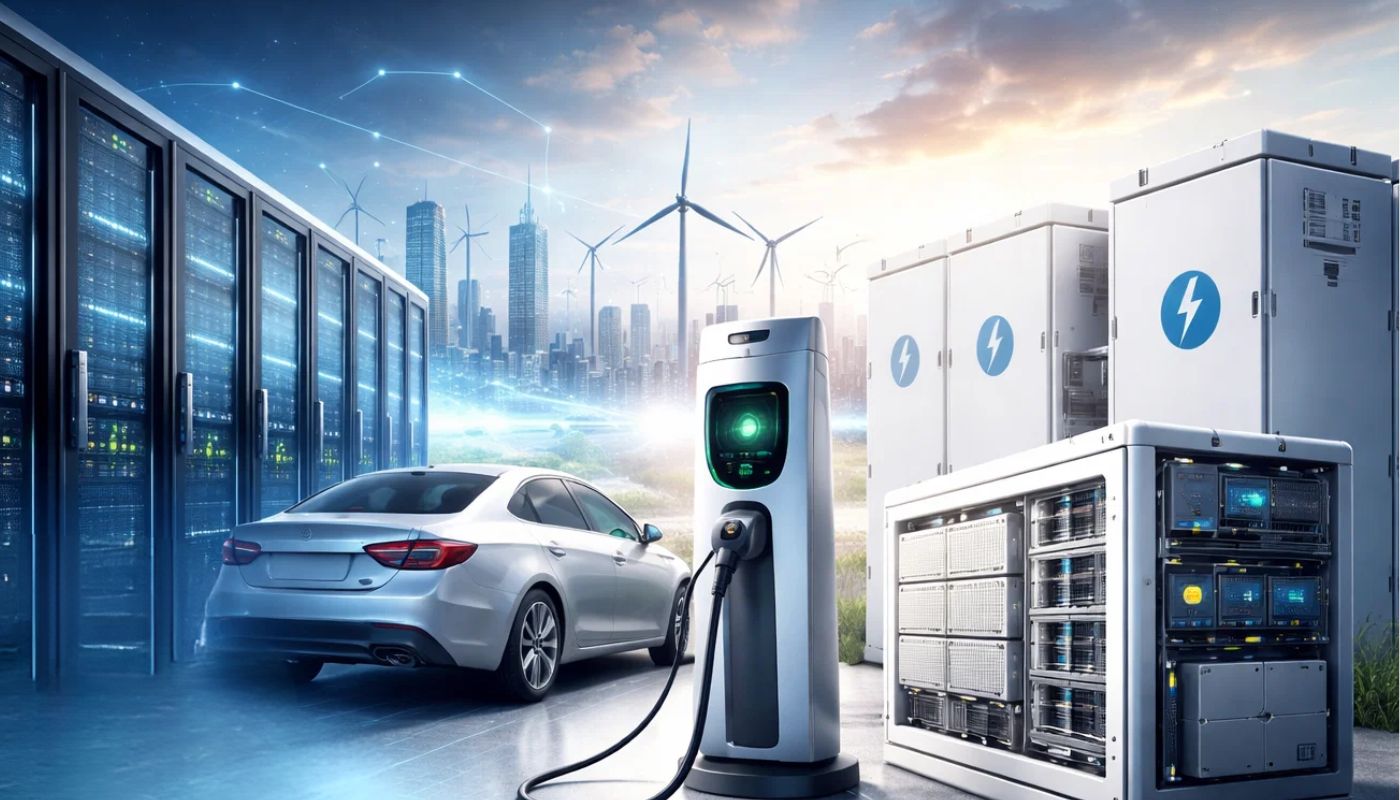
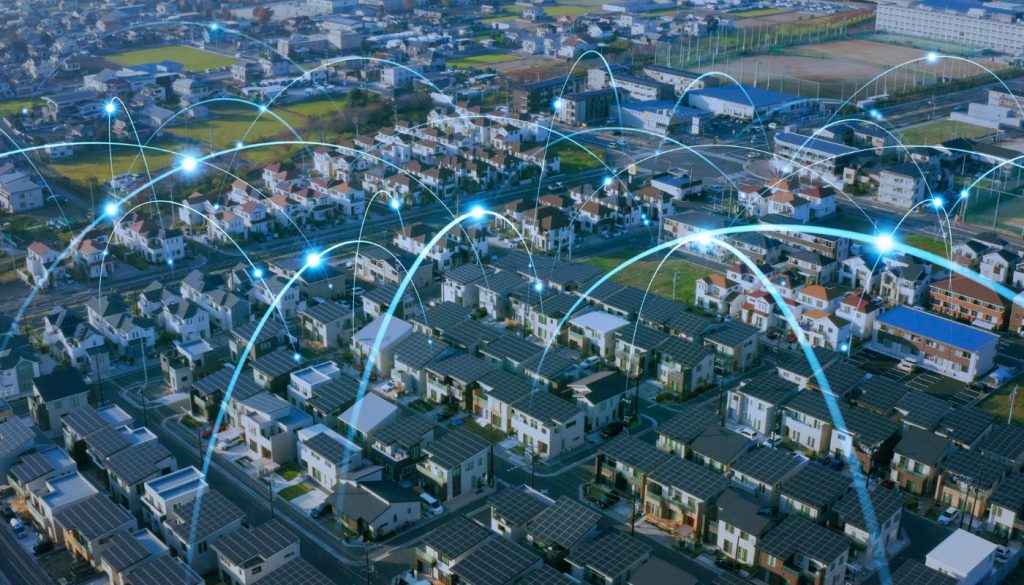
A smart grid represents an evolution of traditional power systems by integrating advanced information, communication, and automation technologies. Unlike conventional grids that largely rely on manual control, smart grids use digital and networked technologies to sense, optimize, and control power production, transmission, distribution, and consumption in real time. As energy demand soars and environmental concerns intensify, smart grids have become a crucial tool for achieving energy conservation and reducing carbon emissions.
Energy efficiency is a critical goal for smart grids because global energy crises and climate change pressures demand sustainable solutions. Traditional power systems often suffer from high losses and low efficiency, exacerbating energy waste. By leveraging data analysis, smart grids enable precise energy management, providing optimized electricity usage strategies for both consumers and utility companies.
2. Data Analysis in Smart Grids: Fundamentals and Principles
2.1 The Role of Data Analysis in Smart Grids
Data analysis is the core strength of smart grids. By deploying sensors and smart devices across all stages of the power network—from generation to transmission, distribution, and consumption—smart grids can collect real‑time data such as voltage, current, frequency, and load. Key aspects include:
- Data Collection: Primarily through smart meters and intelligent transformers, capturing dynamic changes at millisecond intervals.
- Data Transmission and Storage: Utilizing IoT and cloud computing to ensure fast, secure data transfer and storage.
- Data Processing and Analysis: Using big data techniques, clustering, pattern recognition, and AI methods (machine learning and deep learning) to convert raw data into actionable insights for grid optimization and decision-making.
2.2 Common Data Analysis Techniques
- Big Data Analytics: Processes complex and high-frequency data to forecast demand trends and optimize generation scheduling.
- AI and Machine Learning: Applied for load forecasting, equipment fault diagnosis, and optimizing energy distribution; advanced algorithms can predict peak loads and adjust power allocation to prevent waste.
- Cloud and Edge Computing: Cloud platforms provide robust computing and storage, while edge computing processes data at the source for faster response.
These technologies collectively enable smart grids to manage energy efficiently and contribute to significant energy savings.
3. How Data Analysis Achieves Energy Savings
3.1 Optimizing Energy Distribution
Smart grids use real-time data analysis to precisely optimize energy distribution. By monitoring load conditions in real time, the grid can adjust generation and supply dynamically to avoid overproduction or shortages. Strategies like peak shaving (load shifting from peak to off-peak hours) effectively reduce overall energy consumption.
3.2 Predicting and Preventing Equipment Failures
Equipment malfunctions are a major source of energy waste. Smart grids leverage data analysis to monitor equipment status and predict failures before they occur. Techniques such as vibration analysis and thermal imaging allow for proactive maintenance, reducing downtime and energy losses due to malfunctioning equipment.
3.3 Reducing Transmission Losses
Power transmission naturally incurs losses. Through grid optimization and dynamic voltage adjustment strategies, smart grids can minimize these losses by identifying high-loss segments and rerouting power efficiently to improve transmission efficiency.
3.4 User-Side Energy Optimization
On the consumer end, smart grids use smart meters and energy management systems to provide real-time electricity usage data and optimization recommendations. With dynamic pricing, users can schedule high-energy tasks during off-peak times, achieving both cost savings and energy conservation.
4. Challenges and Future Trends in Data-Driven Energy Savings
4.1 Challenges
- Data Security and Privacy: Handling vast amounts of user and operational data poses risks of data breaches and privacy violations. Balancing data sharing with robust security measures is a major challenge.
- Data Transmission and Storage: The rapid increase in high-frequency data demands advanced communication networks, cloud storage, and processing capabilities to prevent delays and data loss.
- Standardization and Interoperability: Diverse protocols and data formats from different manufacturers hinder seamless integration. Establishing universal standards is crucial.
- High Initial Investment: Upgrading infrastructure and adopting advanced technologies require significant investment, especially challenging for less-developed regions.
4.2 Future Developments
- Advanced AI and Machine Learning Models: Continued improvements in predictive models will enhance load forecasting, equipment fault detection, and personalized energy-saving recommendations.
- Distributed Energy Management Systems: With more renewable energy sources like solar and wind, real-time matching of generation and consumption will boost overall energy efficiency. Virtual power plants will integrate multiple energy units to realize economies of scale.
- Blockchain Technology: Decentralized data management via blockchain can secure data authenticity and facilitate peer-to-peer energy transactions.
- Global Standardization: Developing international unified communication protocols and data formats will enhance interoperability and promote global smart grid development.
5. Practical Applications and Internal Resources
Smart grids achieve energy savings through data analysis in various ways:
- Optimized Energy Scheduling: Real-time monitoring allows utilities to adjust generation and distribution dynamically.
- Preventive Maintenance: Predictive analytics forecast equipment failures, reducing energy waste due to downtime.
- Minimized Transmission Losses: Dynamic routing and voltage adjustments reduce losses in power transmission.
- User-Side Optimization: Smart meters and energy management systems provide actionable insights for reducing consumption and cost.
For more details on power supply testing and verification, visit our internal resources:
- Power Supply Design and Verification Test Solutions
- Data Center Power Testing Solution
- RPS-5000 Simulator
6. Conclusion
Smart grids harness data analysis to achieve significant energy savings by optimizing energy distribution, predicting equipment failures, reducing transmission losses, and providing user-side energy optimization. Although challenges such as data security, standardization, and high initial costs persist, technological advancements and global collaboration promise a bright future for smart grids. Embracing these innovations will help drive the energy industry’s green transformation and sustainable development.
Choose Infinipower for leading testing solutions and exceptional technical support to improve efficiency, reduce costs, and achieve energy-saving goals in your smart grid projects.
References
- Federal Energy Regulatory Commission. (n.d.). Federal Energy Regulatory Commission assessment of demand response & advanced metering (PDF). Retrieved from https://www.ferc.gov
- Sayed, K., & Gabbar, H. A. (2017). Chapter 18 – SCADA and smart energy grid control automation. In Smart energy grid engineering (pp. 481–514). Academic Press. https://doi.org/10.1016/B978-0-12-805343-0.00018-8
- Saleh, M. S., Althaibani, A., Esa, Y., Mhandi, Y., & Mohamed, A. A. (2015, October). Impact of clustering microgrids on their stability and resilience during blackouts. 2015 International Conference on Smart Grid and Clean Energy Technologies (ICSGCE), 195–200. https://doi.org/10.1109/ICSGCE.2015.7454295
- Torriti, J. (2012). Demand side management for the European supergrid: Occupancy variances of European single-person households. Energy Policy, 44, 199–206. https://doi.org/10.1016/j.enpol.2012.01.039
- Smart Grids European Technology Platform. (2011). Smart grids European technology platform. Retrieved from https://www.smartgrids.eu
- Legal Information Institute. (n.d.). 42 U.S. Code Subchapter IX – Smart Grid. Retrieved from https://www.law.cornell.edu
- Edison Tech Center. (n.d.). The history of electrification: The birth of our power grid. Retrieved from http://www.edisontechcenter.org
- Nejad, M. F., Saberian, A., & Hizam, H. (2013). Application of smart power grid in developing countries. 2013 IEEE 7th International Power Engineering and Optimization Conference (PEOCO), 427–431. https://doi.org/10.1109/PEOCO.2013.6564586
- Berger, L. T., & Iniewski, K. (Eds.). (2012). Smart grid – Applications, communications and security. John Wiley and Sons.
- Smart Grid Working Group. (2003). Challenge and opportunity: Charting a new energy future, Appendix A: Working Group Reports. Retrieved from https://www.energyfuturecoalition.org
- European Commission. (n.d.). Smart Grid definition by EU Commission (PDF). Retrieved from https://ec.europa.eu